

ANCHORAGE, ALASKA – A highly anticipated summit between U.S. President Donald Trump and Russian leader Vladimir Putin concluded in Alaska on Friday without any concrete agreements to end the ongoing Russia-Ukraine war. While both leaders described the talks as “productive,” the absence of a clear breakthrough leaves significant questions regarding the conflict’s future and its broader economic impacts.
A Symbolic Meeting with Limited Tangible Results
The summit began with a notable display of goodwill, as President Putin received a red-carpet welcome and a shared ride in Trump’s presidential limousine. This gesture underscored the friendly tone of the discussions, a point that Putin later lauded, along with Trump’s perceived understanding of Russia’s national interests.
Despite initial hopes for a ceasefire or a path to negotiations, President Trump conceded that a deal “hasn’t quite got there,” although he expressed optimism about future progress. Details on any specific points of agreement remained vague, with no concrete announcements made during their brief joint appearance. This lack of specificity has led to concerns about the limited tangible outcomes of the high-profile meeting.
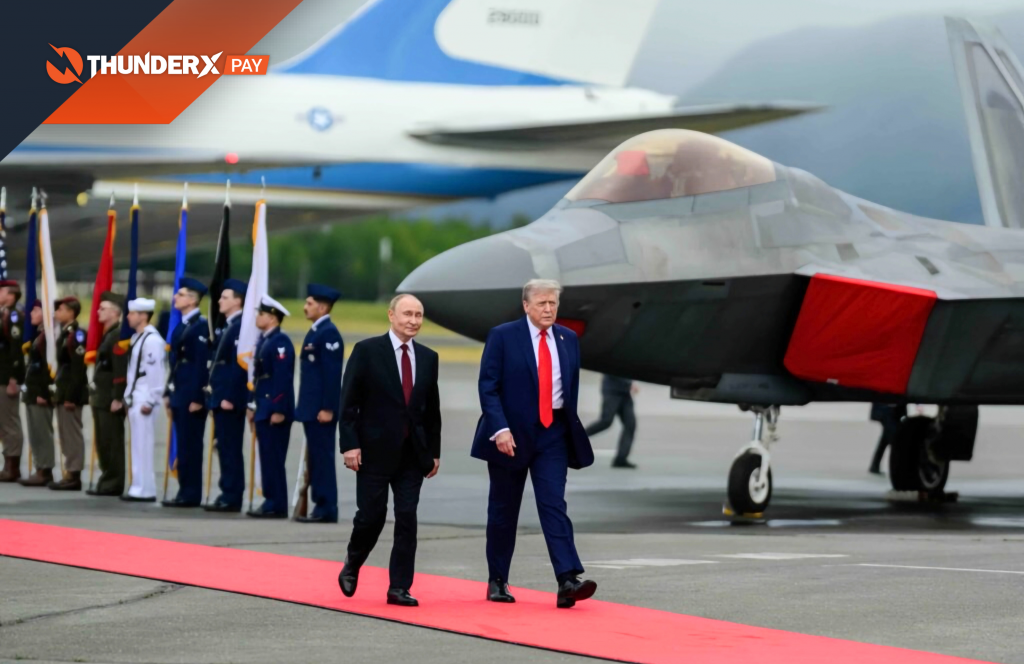
Time and Sanctions: The Shifting Economic Calculus
The outcome of the summit suggests that time may be on Russia’s side in the ongoing conflict, as diplomatic efforts continue without a clear resolution. Russian forces have been steadily advancing in eastern Ukraine, a dynamic that could be reinforced by the absence of immediate pressure from the summit.
From an economic perspective, the meeting’s lack of a decisive resolution on the war means that existing sanctions and their impact on global markets will likely persist. Prior to the summit, Trump had hinted at the possibility of “severe consequences” for Russia if no progress was made on ending the war, including potential secondary sanctions on countries purchasing Russian oil. However, after the talks, Trump indicated that he “don’t have to think about that right now,” suggesting a temporary reprieve from immediate escalations of economic pressure. This offers a temporary relief to major oil importers like India and China, who have been under U.S. scrutiny for their energy trade with Russia.
The broader implications for global commodity markets, particularly oil and gas, remain uncertain. Without a clear path to de-escalation, volatility linked to geopolitical tensions could continue to influence energy prices and supply chains. Investors and businesses will closely watch for any shifts in U.S. policy regarding sanctions or trade relations with Russia following this summit, as these could have significant reverberations across various sectors.
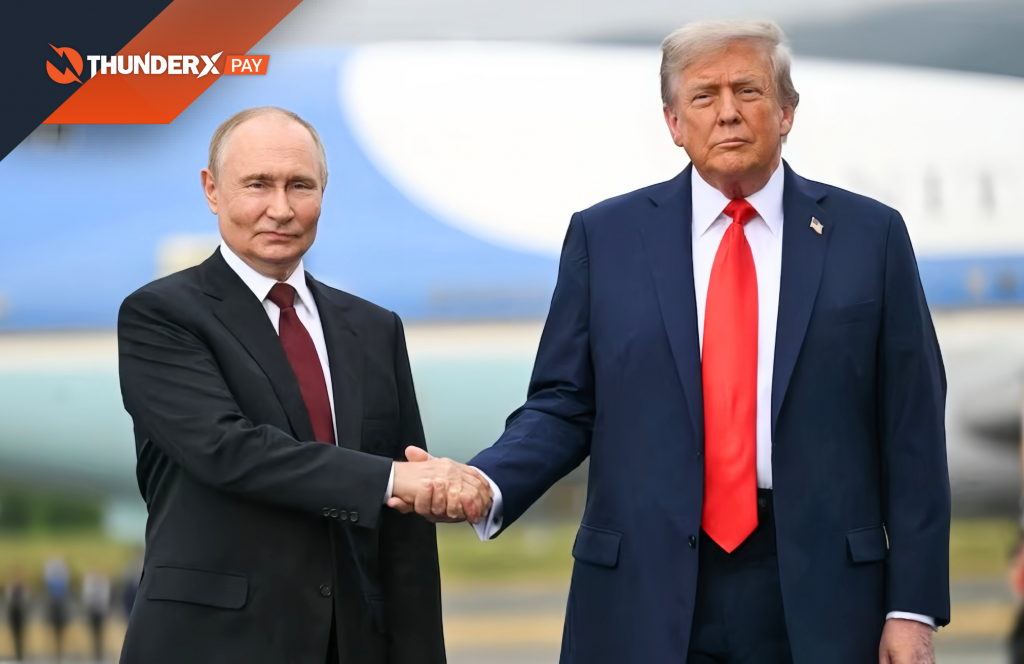
Market Reaction and Forward Outlook
Market analysts have offered mixed reactions, with some suggesting that the mere fact of the meeting, even without specific outcomes, is a positive development that reduces immediate market anxiety. Others point to the continued lack of a ceasefire and a comprehensive peace plan as a persistent risk factor.
The next steps are unclear, with President Trump stating he will consult with Ukrainian President Volodymyr Zelenskyy and NATO leaders. The absence of a robust, actionable plan from the summit means that businesses and investors must remain vigilant to evolving geopolitical dynamics and potential policy shifts that could impact international trade, investment, and energy markets.
Published on 22/08/2025
By Nicholas.