

FED LEADERSHIP SUCCESSION
The Federal Reserve is at a critical crossroads. As the central bank prepares for a potential changing of the guard, the latest meeting minutes reveal a hawkish tilt that has sent a clear message to Wall Street: don’t expect a pivot just yet.
The Waiting Game
Despite intense market speculation, officials voted to hold the policy rate steady, signaling that borrowing costs will likely remain elevated for the foreseeable future. Investors have now locked in their bets, eyeing the June 16–17 meeting as the definitive turning point.
Why June? Because that is expected to be Kevin Warsh’s debut as Fed Chair, provided his Senate confirmation aligns with the end of Jerome Powell’s term. Markets are currently pricing in a quarter-percentage-point cut for that session, followed by another in September.
A “Goldilocks” Dilemma
Recent data has only added fuel to the debate. The Fed finds itself caught between two competing narratives:
The Disinflation Argument: January’s Consumer Price Index (CPI) came in softer than expected, suggesting the fight against inflation is being won.
The Economic Resilience Argument: Job growth blew past expectations in the same month, sending the unemployment rate lower and signaling an economy that might be too hot for comfort.
What’s Next? With rate hikes officially off the table for now, all eyes turn to the March 17–18 meeting. This will be the final major checkpoint where policymakers release updated economic projections, offering a roadmap for how the “Warsh Fed” might inherit—and manage—the American economy.
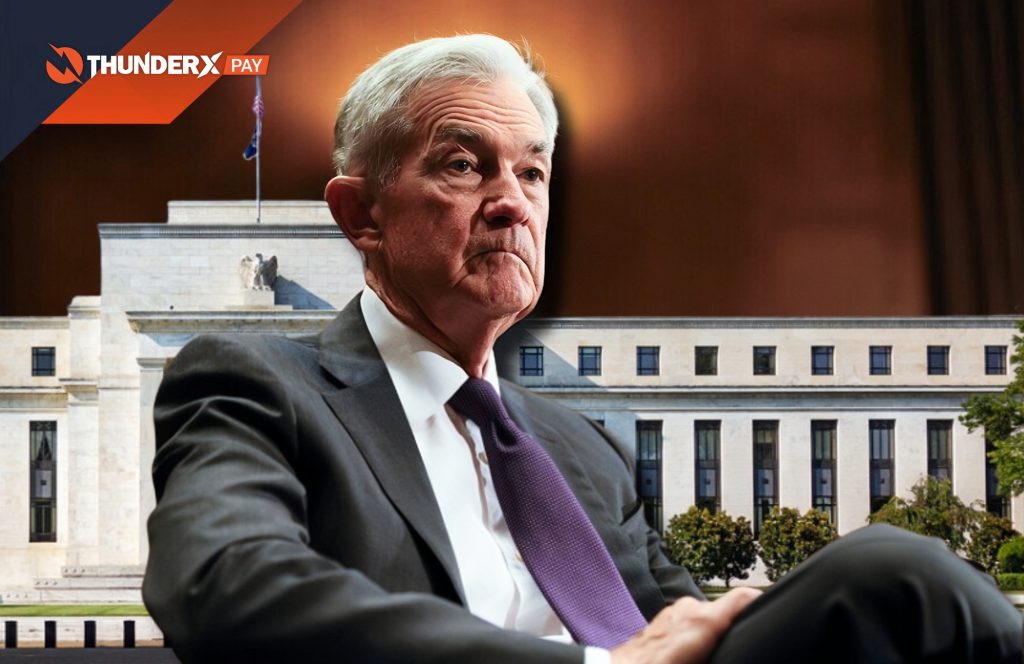
Fed Minutes Reveal a Divided Path: Inflation Progress Dictates the Next Move
The Federal Reserve’s January meeting minutes, released Wednesday, underscore a central bank at a crossroads. While the door remains open for further rate cuts, a growing sense of caution is emerging among policymakers regarding the “uneven” path of inflation and lofty market valuations.
The Dovish Case: Potential for More Cuts
For investors looking for a continuation of the easing cycle that began in late 2025, there is still reason for optimism. Several officials noted that if inflation continues to decline in line with their forecasts, further downward adjustments to the federal funds rate would be appropriate.
The rationale here is simple: as inflation cools, keeping rates at current levels would effectively make policy “tighter” in real terms, potentially over-cooling the economy.
The Hawkish Pivot: “Higher for Longer” Returns?
However, the minutes also revealed a significant camp of cautious members. This group argues for holding rates steady for “some time” until there is undeniable proof that inflation is firmly on track toward the 2% target. Key concerns include:
Entrenched Inflation: There is a fear that premature cuts could signal a lack of commitment to price stability, causing inflation expectations to become “stuck” above target.
Resilient Demand: Several members noted that strong consumer demand could keep upward pressure on prices.
The Two-Sided Risk: Some members even suggested that the Fed should keep the possibility of rate hikes on the table if progress stalls—a sentiment that could rattle equity markets if realized.
Labor Market and “Better Balance”
The “vast majority” of participants now believe the labor market is stabilizing. While downside risks to employment haven’t vanished, they have moderated significantly. This shift in focus is crucial for investors: with the “employment” side of the Fed’s dual mandate looking healthier, the committee can afford to be more aggressive—or patient—in its fight against inflation.
Financial Stability: AI and Asset Valuations
In a notable takeaway for tech investors, the minutes highlighted discussions regarding high asset valuations. Specifically, some officials pointed to vulnerabilities in the AI sector, where stock prices may have outpaced fundamental earnings growth. This suggests the Fed is keeping a close watch on potential “bubbles” that could pose a risk to broader financial stability.
The Bottom Line: Expect market volatility to persist as every upcoming CPI and jobs report will now be viewed through the lens of a divided Federal Reserve.
Published on 19/02/2026
By Nicholas.