

Trade War Pivot: A Global Turning Point
The U.S. Supreme Court delivered a landmark 6-3 ruling, striking down President Donald Trump’s sweeping global tariffs. The court determined that the administration overstepped its legal bounds by using the International Emergency Economic Powers Act (IEEPA) of 1977 to bypass Congress and impose taxes on imported goods.
For the investment community, this decision marks a pivotal moment in the ongoing global trade war, introducing a mix of immediate relief and long-term strategic uncertainty.
The Core of the Ruling: Executive vs. Legislative Power
Chief Justice John Roberts, leading the conservative majority, clarified that while the President has broad powers during national emergencies, those powers do not extend to the unilateral imposition of tariffs—a right the Constitution explicitly grants to Congress.
The “Major Questions” Doctrine: The court invoked this principle, stating that actions of “vast economic and political significance” require clear, specific authorization from Congress.
The Setback: This is the most significant judicial defeat for the Trump administration since his return to office in January 2025.
The Dissent: Justices Kavanaugh, Thomas, and Alito argued that the ruling was more about “checking the wrong box” than a total ban on presidential tariff authority.
Immediate Market Impact and Volatility
Wall Street reacted with high volatility following the news. Investors are currently weighing two competing narratives:
Inflationary Relief: A reduction or removal of these tariffs could potentially lower costs for U.S. importers and consumers, easing inflationary pressures.
Increased Uncertainty: The ruling creates a “legal mess” regarding the $175 billion already collected. There is currently no clear timeline for if, or how, these funds will be refunded to businesses.
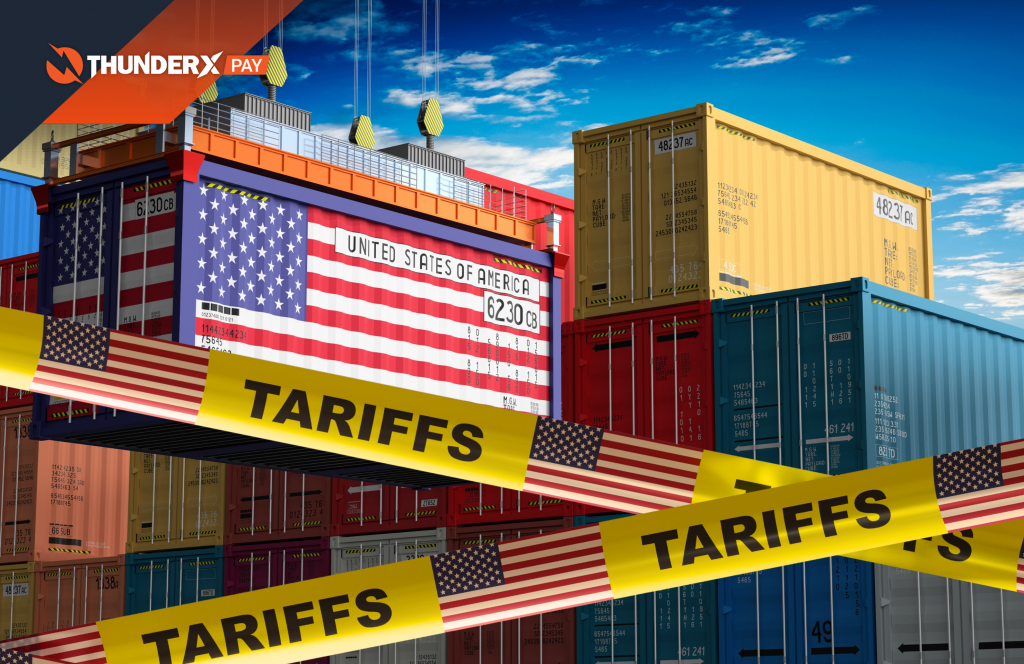
The “Pivot”: Trump’s Strategic Response
President Trump quickly denounced the ruling as “defective” and announced he would not back down. Instead, he is shifting to alternative legal authorities to maintain his protectionist agenda : New 10% Global
TariffTrump has already announced a new 10% tariff under different legal justifications to supplement existing duties.
National Security & Unfair Trade: The administration is expected to lean on statutes regarding national security threats and retaliatory actions against “unfair” trade practices.
National Security & Unfair Trade: The administration is expected to lean on statutes regarding national security threats and retaliatory actions against “unfair” trade practices.
Timeline Friction: Unlike the “blunt-force” speed of the IEEPA, these alternative paths may be slower to implement and narrower in scope, potentially leading to months of litigation and trade friction.
Bottom Line: While the Supreme Court has clipped the wings of the IEEPA-based tariffs, the trade war is far from over. Investors should prepare for a period of “trial and error” as the White House tests the limits of other statutes to keep its trade agenda alive.
Published on 25/02/2026
By Nicholas.