

Fed to Stay Tough Despite End of Conflict
While the Oval Office signals an end to Middle East hostilities, investors are finding that geopolitical resolutions don’t always translate to immediate monetary relief. President Trump’s recent assurances that the conflict between the U.S., Israel, and Iran is “very complete” have calmed broader market nerves, but they have done little to shift the hawkish trajectory of global central banks.
The Inflationary ‘Psychic Damage’. The core of the issue lies in the delayed impact of energy shocks. Over the weekend, the conflict pushed oil prices above $100 a barrel, triggering a wave of panic-buying across Western markets. For the Federal Reserve, the price of crude is more than just a headline;
it is a primary driver of household inflation expectations
Despite the President’s optimism, Macquarie strategists Thierry Wizman and Gareth Berry warn that the damage is already done.
Even if the war concludes today, the “psychic damage” to consumers and the lag in economic data mean the inflationary spike will haunt the April release cycle in May.
“Almost all central banks will tilt to the hawkish side while oil prices stay high,” Macquarie noted. “We expect this disposition to persist even after hostilities end.”
The Fed’s Dual Mandate Dilemma The market is currently betting heavily on the Fed’s inflation mandate. According to the CME FedWatch Tool, speculators are pricing in a 99% chance of a rate hold at the next meeting, effectively ignoring President Trump’s repeated calls for lower base rates.
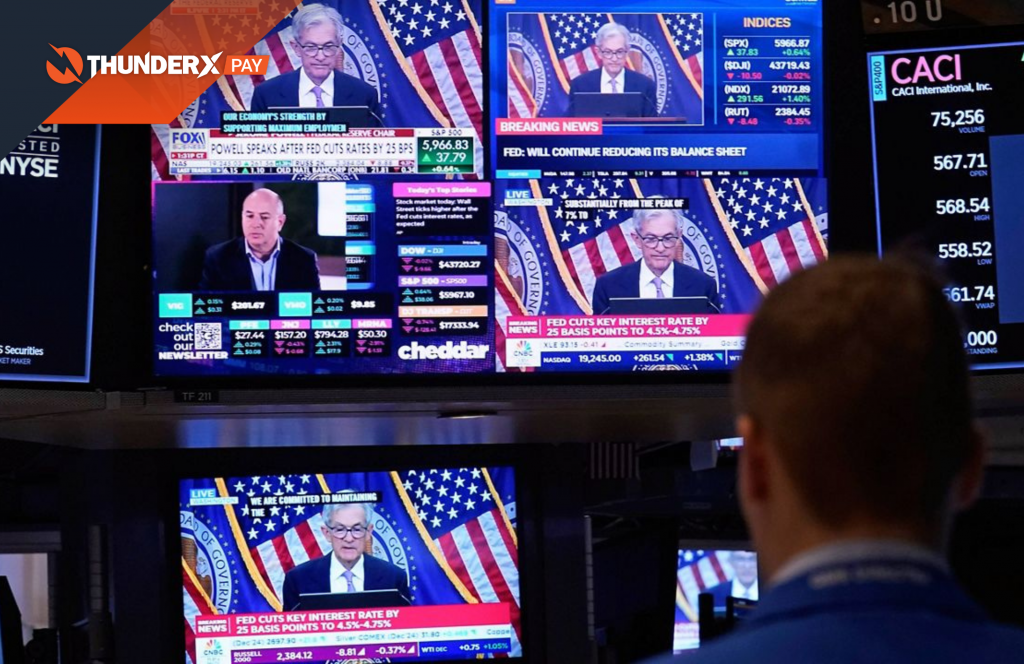
However, the narrative isn’t entirely one-sided. While the Fed is laser-focused on the 2% inflation target (with the current CPI sitting at 2.4%), the other half of its mandate—stable employment—is showing signs of distress.
A Different Beast Than 2022?
Bank of America’s senior economist, Aditya Bhave, suggests that markets might be overestimating the Fed’s hawkishness by comparing today to the 2022 Russia-Ukraine shock. He points out several key differences:
Labor Market: In 2022, payrolls were growing by 500k/month. In February 2026, nonfarm payrolls edged down by 92,000, with unemployment rising to 4.4%.
Consumer Health: Unlike the post-Covid stimulus era, today’s consumers have modest fiscal support and less “excess cash.”
“Policy risks play out when demand is strong enough to withstand a supply shock,” Bhave explains. If the labor market continues to soften, the Fed may be forced into a more dovish response than the current “hawkish” consensus suggests, regardless of where oil prices sit.
The Bottom Line for Investors
As the Federal Open Market Committee (FOMC) prepares for next week’s meeting, the focus remains on the Strait of Hormuz. While the White House attempts to secure shipping routes and offer military escorts, the risk to the global energy supply chain remains a potent “sticky inflation” variable.
Published on 18/03/2026
By Nicholas.