

Strategic Chokepoint Faces Renewed Uncertainty Amid Geopolitical Friction
The temporary optimism surrounding the reopening of the Strait of Hormuz has proved short-lived. Just hours after declaring the critical maritime corridor “completely open,” Tehran has abruptly reinstated strict controls, plunging global energy markets back into a state of heightened volatility. This sudden reversal underscores the fragile nature of current geopolitical truces and the persistent risks facing global supply chains.
A Rapid Reversal of Fortunes
On Friday, Iranian Foreign Minister Abbas Araghchi announced that the waterway was open for transit, aligning with a ceasefire in Lebanon. This triggered an immediate response from the shipping industry, with a wave of tankers attempting to cross on Saturday. However, the window of stability closed rapidly. Following clarification from U.S. President Donald Trump that the American naval blockade of Iranian ports remains in “full force,” Tehran swiftly retaliated.
Iranian security officials now view the continued U.S. blockade as a breach of the truce, effectively voiding the temporary reopening. Reports from maritime security agencies have already confirmed incidents where Iranian gunboats engaged commercial vessels without prior challenge, signaling a return to a high-risk operational environment.
Impact on Energy Markets and Supply Chains
The Strait of Hormuz is the world’s most important oil chokepoint, carrying approximately one-fifth of global liquefied natural gas (LNG) supplies. The renewed chaos has forced several LNG tankers, particularly those loaded in Qatar, to reverse course or idle in the Persian Gulf.
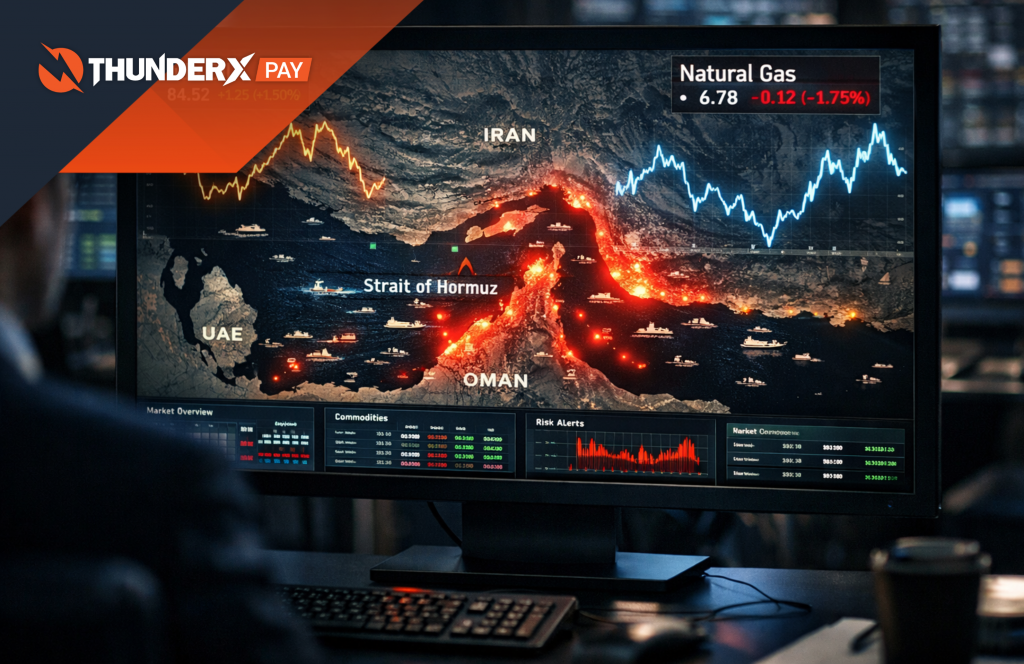
For investors, this development highlights several critical concerns:
Supply Bottlenecks: Emerging Asian markets, which are heavily dependent on Middle Eastern energy exports, face immediate threats to their energy security.
Insurance and Logistics: Maritime insurance providers maintain a “high-risk” classification for the region, leading to surging premiums and redirected shipping routes, which ultimately adds to global inflationary pressures.
Market Volatility: The contradictory signals from Washington and Tehran ensure that oil and gas futures will remain sensitive to headline risks in the coming weeks.
Investor Outlook
The “Hormuz Factor” remains a primary driver of risk premium in the energy sector. While diplomatic overtures may offer occasional rallies of hope, the fundamental friction between U.S. blockade policies and Iranian territorial control suggests that a permanent resolution is not yet in sight. Investors are advised to monitor official maritime advisories and maintain a diversified approach to energy exposure as the situation evolves.
Published on 20/04/2026
By Nicholas.