Laos Economic Growth
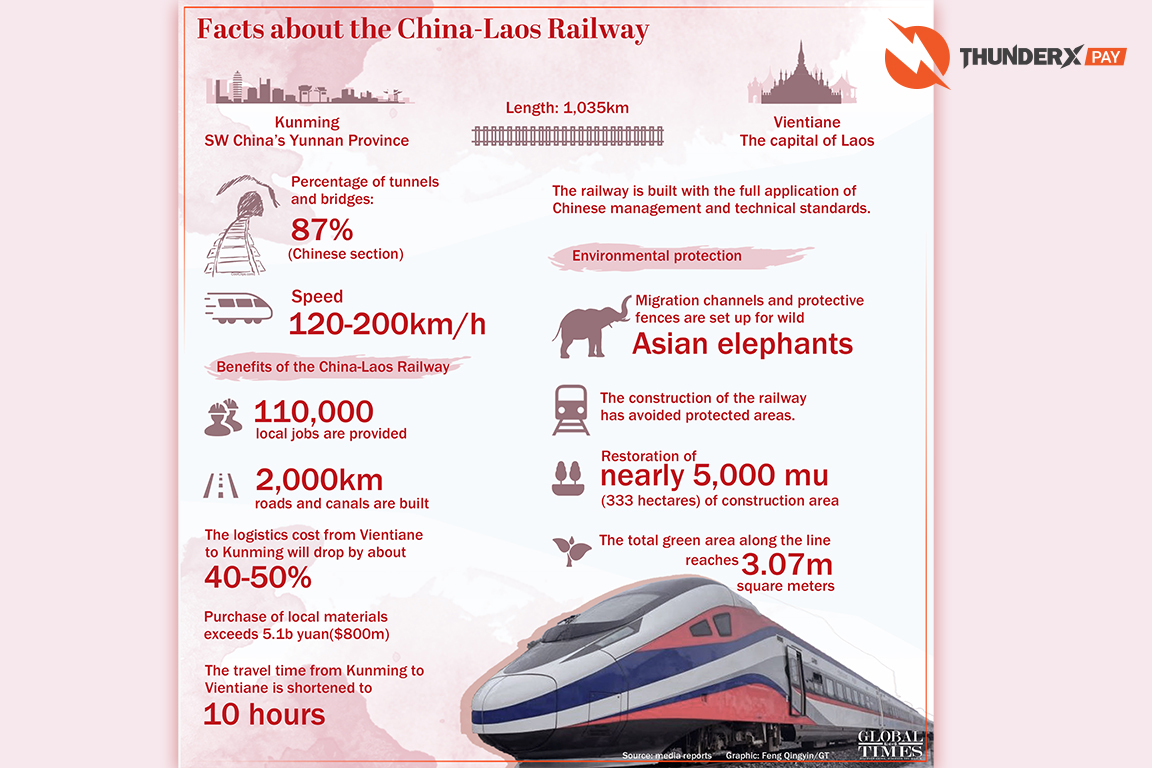
Activity should be picked up in 2022, with the China-Laos railway—once initial hitches are ironed out—boosting exports of tourism and goods. Meanwhile, recovering global demand should further be driving activity. However, a possible becoming even worse than the public health situation, the escalated external debt seems trouble, domestic rising inflation, and currency depreciation are crucial unfavorable risks. FocusEconomics (Economic Reporter) consensually Forecast panelists project GDP to expand 4.6% in 2022, shrinking 0.2 percentage points from last month’s forecast, and 4.9% in 2023. Source: https://www.focus-economics.com/countries/laos Image Source: https://www.globaltimes.cn/page/202112/1240434.shtml Published 25/05/2022 By Ashley Jones